Tel: +86-21-60530355
Mobile: +8615214379688
E-mail: sales@beallindustry.com
Address: No.1088 XinJinQiao Road, PuDong, Shanghai, China


Company Profile
Beall Industry Group Co.,Limited is the leading manufacturer and supplier of stainless steel, duplex stainless and super nickle alloy materials with more than 25 years experience of supplying to a great variety of end users from different fields. Beall Industry Group, establlished in 1992, now covers a total landing area 520,000 square meters and nearly 500 employees.
Rich experience
We are the leading manufacturer and supplier of stainless steel and super nickle alloy materials with more than 25 years experience of supplying to a great variety of end users from different fields.
Advanced equipment
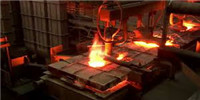
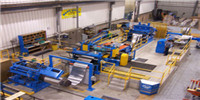
Now the production plants of company covers 4 production lines of smelting, with well equiped processing platforms including shearing, cutting, surface finishing, forming, welding and maching.
Good service
With close collaboration between our experienced production, processing and professional international sales team, company promises customers reliable quality, on time delivery, professional service before and after sales.
Competitive price
Company does its best to help customers save cost, enhance competitiveness, make profit.
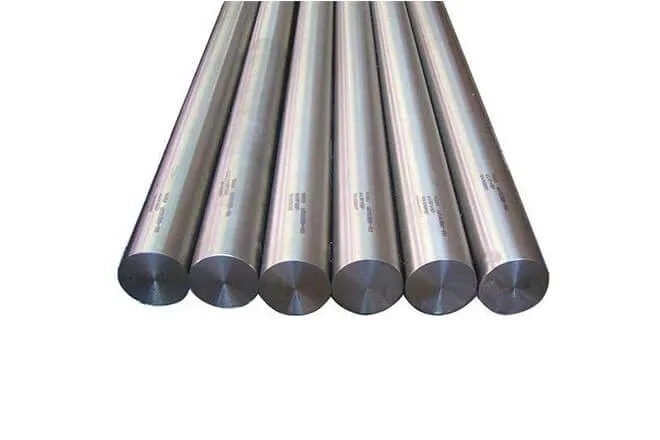
Incoloy alloy is a general term for a series of superalloys with high iron content. Depending on the ratio of nickel, chromium, and iron, Incoloy alloys can be nickel-iron-chromium alloys, iron-nickel-chromium alloys or iron-chromium-nickel alloys.
Excellent corrosion resistance
Incoloy 800 pipe exhibits excellent corrosion resistance in a wide range of environments. One of the key benefits of incoloy 800 pipe is its ability to withstand corrosion, both at high temperatures and in harsh environments. It has excellent resistance to oxidation, carburization, and suffixation, making it an ideal material for pipes, tubes, and fittings in power generation applications. This exceptional corrosion resistance increases the lifespan of pipes and makes them less prone to failure compared to other materials. In addition, the alloy has good resistance to stress-corrosion cracking and pitting.
High-temperature resistance
The power generation industry relies on extreme heat to generate electricity. Incoloy 800 pipe has an impressive ability to withstand high temperatures, making it ideal for use in environments that involve high temperatures and pressures. It can sustain its strength and integrity even in temperatures above 1000°c, which is impossible with most other materials. This makes incoloy 800 pipe a reliable choice for use in critical power generation systems, such as boilers and heat exchangers.
Good mechanical properties
Incoloy 800 pipe also has good mechanical properties. The alloy has high strength and good ductility. In addition, the alloy has good creep and thermal shock resistance.
Good weldability
Incoloy 800 pipe is also highly weldable. The alloy can be welded using conventional welding methods. In addition, the alloy has good resistance to post-weld age embrittlement.
Durability and strength
Incoloy 800 pipe is designed to last a long time. It is made of high-quality, robust, reliable materials and can withstand wear and tear. It has superior resistance to mechanical stress and thermal shock, and its strength and durability increase with temperature. Its exceptional strength is also beneficial, as it limits the need for frequent repair or replacement, saving businesses time and money.
Ease of fabrication
Incoloy 800 pipe is relatively easy to fabricate, which provides the power generation industry with options when it comes to design and installation. This property allows for pipes and other components to be custom-made, precisely fitted, and formed to exact specifications. This makes incoloy 800 pipe an optimal choice for complex power-generation systems where customization is necessary.
Availability and cost-effectiveness
Incoloy 800 pipe is easily available and cost-effective. The initial cost of acquiring incoloy 800 pipe may be higher than other materials, but the long-term benefits far outweigh the cost. The low corrosion rate, high-temperature resistance, and superior durability of incoloy 800 pipes make them more cost-effective when compared to cheaper alternatives prone to corrosion in the long run.
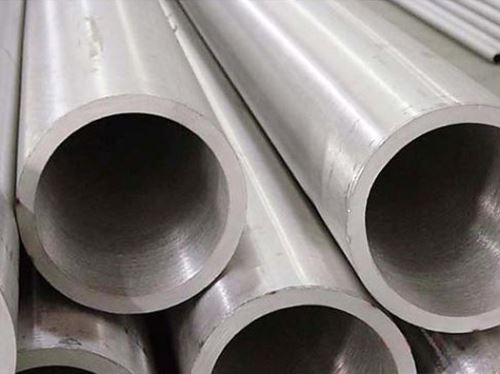
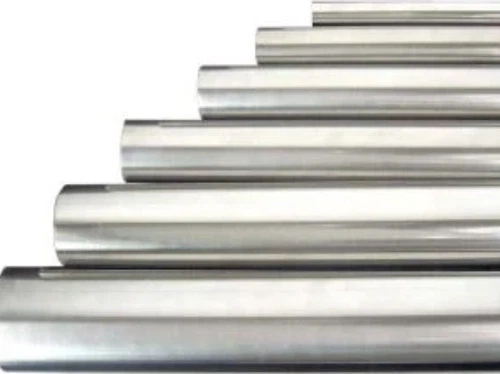
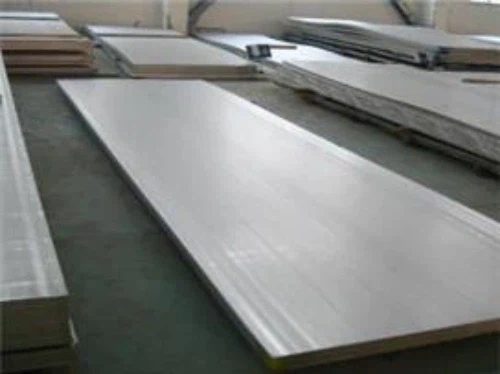
Incoloy 800
Incoloy 800 is suitable for use in the condensation condition of F-, Cl- and ammonia acid medium, with good corrosion resistance in H2SO4, HNO3 and its mixed solution. The alloy is also resistance to pressure corrosion and polyethylene corrosion. Incoloy 800 is mainly used in nuclear generators, water heaters, gas coolers, waste steam boilers.
Incoloy 800H
The Incoloy 800H is an improved version of the Incoloy 800. It limits the carbon content of the alloy. It has better creep properties than Incoloy 800. The alloy is resistant to corrosion by steam, soft water, steam-air-CO2 mixture, various acid solutions, salts and H2S.
Incoloy 800HT
Incoloy 800HT is an improved version of Incoloy 800H. It further limits the carbon content and aluminum content. In the Incoloy 800 series, its creep performance reaches the extreme.
Incoloy 825
Incoloy 825 is resistant to oxide stress corrosion and oxidation-reduction composite medium corrosion. It features good resistance to sulfuric acid, phosphoric acid, and also various acid solutions to some extent. Incoloy 825 is commonly used in oil and gas pipelines, oil and steam coolers, nuclear waste disposal equipment, and components used in acid gases.
Incoloy 903
Incoloy 903 is a low expansion superalloy. It achieves a very low coefficient of linear expansion through a special ratio of nickel and iron. The addition of cobalt makes it possible to maintain low expansion properties at high temperatures. At the same time, it can obtain high high-temperature strength through precipitation strengthening. It is an indispensable material in aero-engines.
Incoloy 907
Incoloy 907 is an improved version of Incoloy 903. It controls the aluminum content to improve the alloy's resistance to oxidation. At the same time it adds more niobium to achieve the effect of precipitation strengthening.
Incoloy 908
Incoloy 908 is also a low expansion superalloy. Unlike Incoloy 903, 907 and 909, it does not require the addition of cobalt to increase the low expansion temperature of the alloy.
Incoloy 909
Incoloy 909 is a modified version of Incoloy 907. It improves the instantaneous properties of the alloy by increasing the silicon content. At the same time its aging treatment time is much shorter than Incoloy 907.
Incoloy 925
Incoloy 925 is a Mo-Cu nickel based alloy containing 19.5-23.50% chromium and 42.0-26.0% nickel. The alloy features excellent hot working and cold working properties.
Incoloy 926
Incoloy 926 is a nickel-based alloy containing titanium and aluminum. It contains adequate chromium to form and maintain sufficient scale of chromium oxide to protect it under high temperatures conditions. Incoloy 926 is more resistant to high temperatures than conventional chrome-nickel stainless steel such as 304.
Incoloy A-286
Incoloy A-286 is a type of nickel based super alloy with the addition of molybdenum, titanium, aluminum, vanadium and traces of boron to strengthen its comprehensive performance. It features good processing plasticity and satisfactory welding performance. Fe-25Ni-15Cr exhibits high yield strength and persistence performance, creep strength under temperatures below 650 ° C, suitable for fabrication of high-temperature bearing components for aerospace engines operating at temperatures below 650 °C, such as turbine disks, press plates, rotor blades and fasteners.
Oil and gas industry
Incoloy are widely useful in offshore and onshore oil and gas applications. They are utilized in downhole equipment, such as pumps, valves, and shafts, where resistance to corrosive fluids and high mechanical strength are critical.
Chemical processing
Incoloy are suitable for chemical processing applications involving corrosive chemicals, acids, and solvents. They are used in equipment such as reactors, heat exchangers, and piping systems. As they are resistant to corrosion and stress corrosion cracking.
Marine industry
Incoloy are helpful in the marine industry due to their excellent resistance to seawater corrosion and high strength. They are used in marine shafts, propellers, and fasteners, contributing to the durability and reliability of marine structures.
Nickel (Ni): The primary element in any Incoloy material is Nickel. In some Incoloy metal alloys, you could find it constituting up to 65% of the entire Incoloy steel. Thanks to Nickel, Incoloy is able to achieve high levels of high-temperature strength, corrosion resistance, and optimal mechanical properties.
Chromium (Cr): Next to Nickel, Chromium is probably the material you find in an Incoloy composition. Generally, Chromium is added to Incoloy alloys to enhance their resistance to oxidation and corrosion. The element provides a protective oxide layer on the surface, helping to optimize corrosion resistance and provide a more resolute frame.
Iron (Fe): Iron is another popular element that’s used to make Incoloy. In most cases, it is present in small to medium amounts. Thanks to the Iron content, Incoloy is able to optimize strength and several of its material and mechanical properties.
Molybdenum (Mo): While it might not be the most popular, Molybdenum is often included in Incoloy alloys to enhance their corrosion resistance. The downside, however, is that Molybdenum isn’t the most common element to find around. So, due to its content, the Incoloy price tends to rise even more. Nevertheless, the addition of this material helps Incoloy to thrive in environments where reducing acids and chlorides are present.
Process of Incoloy Alloy
Material preparation: Prepare the required Incoloy 825 alloy steel ingots, hammers, molds and other materials and tools.
Preheating: Put the Incoloy 825 alloy steel ingot in the furnace for preheating to increase its temperature for forging. The preheating temperature is generally between 1100°C and 1200°C.
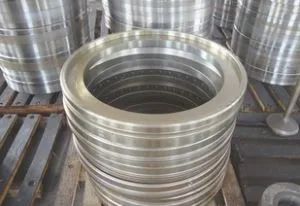
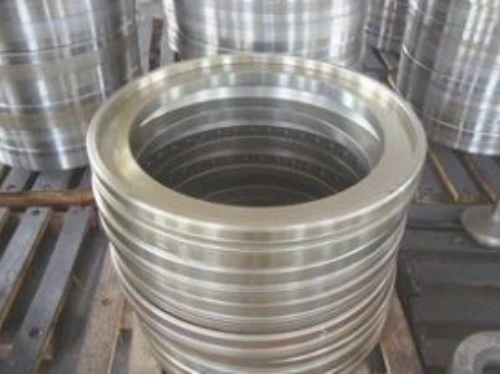
Forging: Put the preheated Incoloy 825 alloy steel ingot into the mold, hammer and press it with a hammer to deform it into the desired chill ring shape. Factors such as temperature, strength and speed need to be controlled during the forging process to ensure forging quality and shape accuracy.
Heat treatment: After forging, the quenching ring needs to be heat treated to improve its structure and performance. Generally, annealing and solid solution treatment are used, and the chilled ring is heated to a certain temperature in a high-temperature furnace, and then cooled gradually after a certain period of time to achieve the required hardness and toughness.
Inspection and testing: After completing the heat treatment, the quench ring needs to be inspected and tested to ensure its quality and performance. Inspection and testing items include appearance quality, dimensional accuracy, mechanical properties, corrosion resistance, etc.
Protect against atmospheric exposure.
Incoloy can be exposed to extreme atmospheric conditions that can cause corrosion and oxidation.
Proper storage
To properly store Incoloy or any other alloy, keeping them dry and away from moisture is important. The Incoloy should be stored in a cool and dry environment, preferably in their original packaging or inside a sealed container with an oxygen absorber. Additionally, the Incoloy should be stored off the ground to reduce exposure to corrosion-causing elements such as moisture and chemicals.
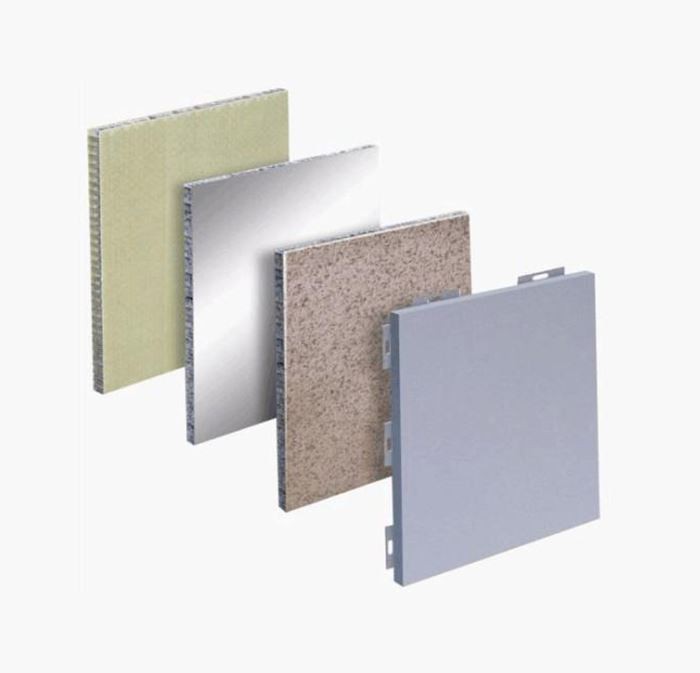
Composition is the most critical difference between these two superalloys. Inconel is a predominantly nickel-chrome alloy containing 50% of nickel. Incoloy is a nickel-iron-chromium alloy with less than 50% nickel. Other differences between these alloys are their specific applications and suitability. Let’s look briefly at each.
Inconel alloys
Inconel alloys are ideal for extreme pressure and temperature applications. They’re right for situations where steel and aluminum may fail because of thermal creep. When heated, Inconel alloys form a thick yet stable oxide layer, which protects surfaces from increased attack. When alloyed with other materials, you can strengthen and stiffen the alloy to permit its use in the most demanding areas.
Typical industries for Inconel alloys include food marine, aerospace, heat treating, and chemical processing as well as petrochemical, pollution control, aerospace, and nuclear.
Inconel is the “go-to” material for the most demanding environments. It is available in different grades, each grade of which exhibits shifting characteristics with slight variations in their chemistry.
Incoloy alloys
Incoloy alloys have higher ferrous content and lower costs than Inconel. Standard Incoloy alloys work well in elevated temperatures in less demanding applications. They’re also easier to fabricate than Inconel alloys. You can use the same machining and processing technique as you do with stainless steel. Incoloy comes in various grades, with an emphasis on providing higher corrosion resistance in a variety of applications.
Typical industries include oil and gas, chemical processing, energy, aircraft, and marine. These alloys provide excellent resistance to seawater, brine, sour gas, and high chloride, making them excellent choices for oil and gas applications.
Alloyed with other materials, they provide good resistance to chemical and environmental corrosion and physical deterioration. The most specialized of Incoloy alloys, however, feature increased resistance to the harshest chemical environments of all. They’re good in applications featuring acids, wet scrubbing, nuclear fuel, and reactive atmospheres.
Beall Industry Group Co.,Limited is the leading manufacturer and supplier of stainless steel, duplex stainless and super nickle alloy materials with more than 25 years experience of supplying to a great variety of end users from different fields. Beall Industry Group, establlished in 1992, now covers a total landing area 520,000 square meters and nearly 500 employees.